Drain Line Replacement in Denver, CO
Drain line replacement services involve removing and installing new underground pipes that carry wastewater from a property to the main sewer or septic system. These projects are typically needed when existing drain lines are severely damaged, cracked, or clogged beyond repair, which can lead to leaks, foul odors, or backups inside the home. Homeowners often request this service when experiencing persistent drain issues, noticing slow drainage, or after detecting signs of pipe deterioration such as frequent backups or unusual wet spots in the yard.
Before requesting drain line replacement, property owners usually want to understand the scope of the project, including the potential need for excavation and the impact on landscaping or property features. It’s also helpful to consider the age and condition of existing pipes, as well as any local regulations or permits required for underground work. Proper assessment ensures that the replacement addresses underlying problems and provides a long-term solution for reliable drainage.
Many property owners in Denver, CO look into Drain Line Replacement for repairs, replacements, upgrades, and appearance-related improvements.
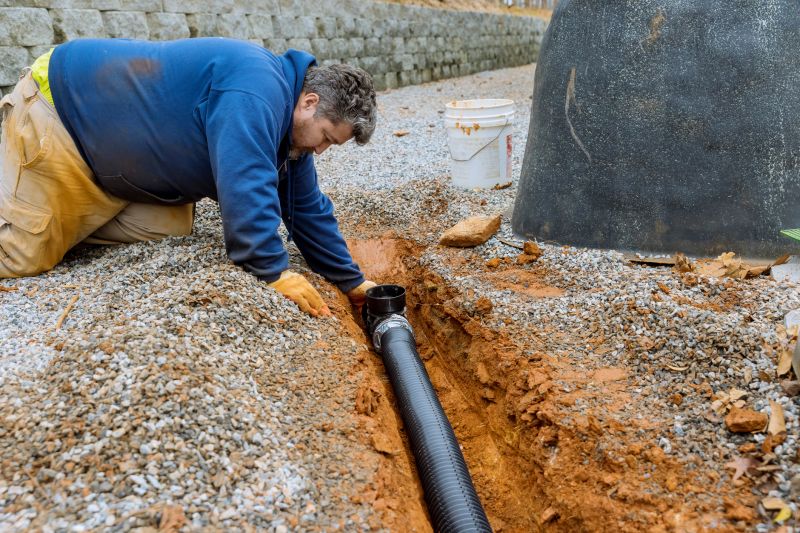
Signs Of Drain Line Issues
Slow draining fixtures and recurring clogs can indicate a need for drain line replacement.
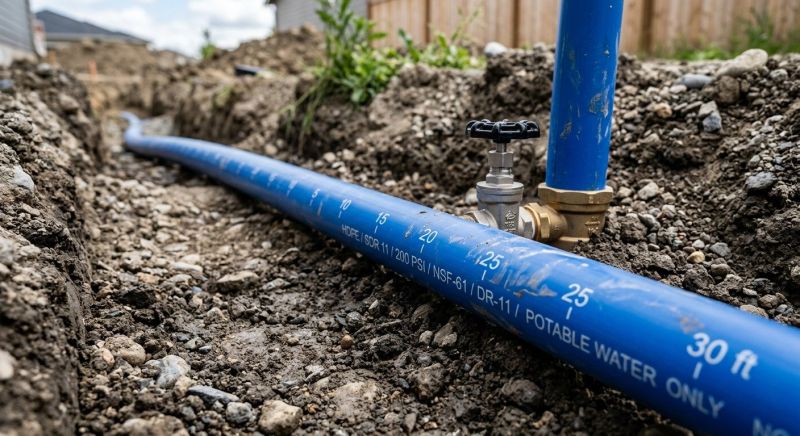
Reasons For Replacement
A damaged or cracked drain line can lead to leaks and property damage if not addressed promptly.
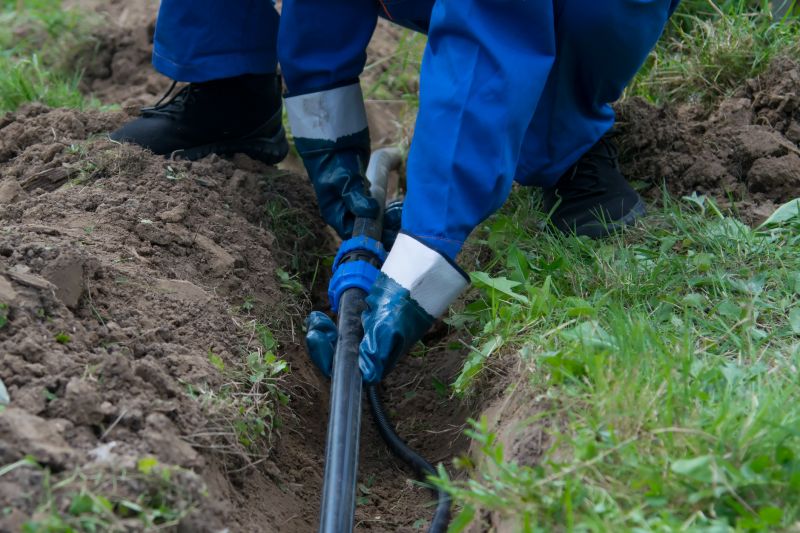
Replacement Process Overview
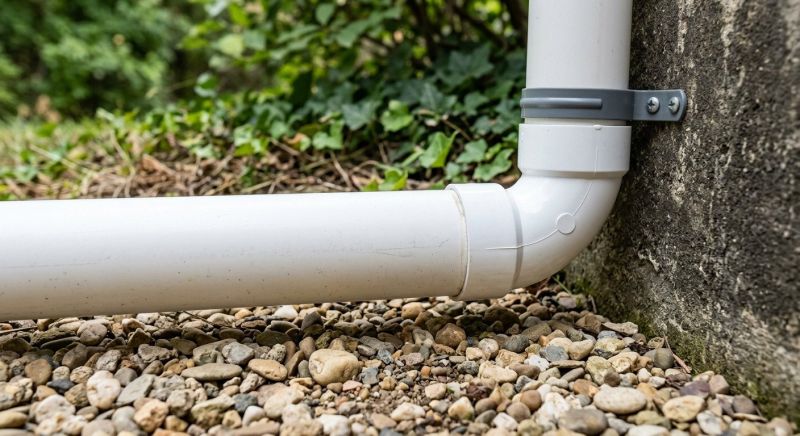
Replacing a drain line involves removing the old pipe and installing a new, durable solution to restore proper flow.
Drain Line Replacement in Denver, CO

Drain line replacement services involve removing and installing new underground pipes that carry wastewater from a property to the main sewer or septic system. These projects are typically needed when existing drain lines are severely damaged, cracked, or clogged beyond repair, which can lead to leaks, foul odors, or backups inside the home. Homeowners often request this service when experiencing persistent drain issues, noticing slow drainage, or after detecting signs of pipe deterioration such as frequent backups or unusual wet spots in the yard.
Before requesting drain line replacement, property owners usually want to understand the scope of the project, including the potential need for excavation and the impact on landscaping or property features. It’s also helpful to consider the age and condition of existing pipes, as well as any local regulations or permits required for underground work. Proper assessment ensures that the replacement addresses underlying problems and provides a long-term solution for reliable drainage.
Many property owners in Denver, CO look into Drain Line Replacement for repairs, replacements, upgrades, and appearance-related improvements.
Common Drain Line Replacement Jobs
Drain line replacement services address damaged or broken drain pipes to restore proper drainage.
These projects often involve replacing corroded or cracked pipes to prevent leaks and backups.
Property owners may request drain line replacement during sewer line repairs or renovations.
Replacing drain lines can improve overall plumbing performance and prevent costly water damage.
Services typically include removing old pipes and installing new, durable drain lines.
Proper drain line replacement ensures reliable drainage and reduces the risk of future clogs.
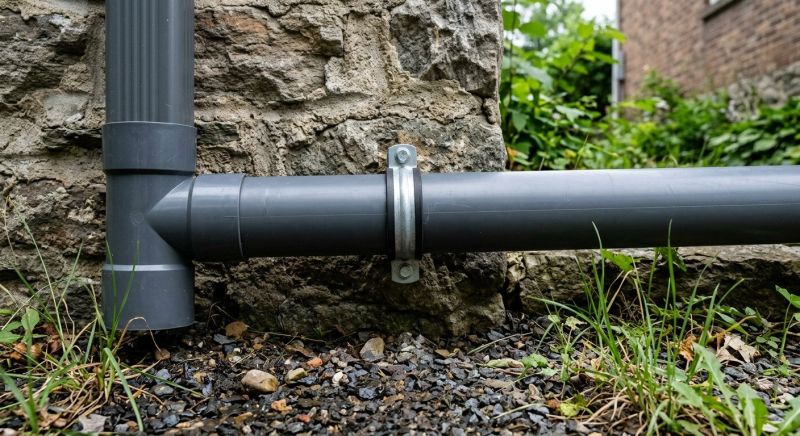
Drain Line Replacement Questions
What is drain line replacement? It involves removing and installing new drain pipes to ensure proper wastewater flow from a property.
When is drain line replacement needed? It is typically required when pipes are damaged, cracked, or severely clogged beyond repair.
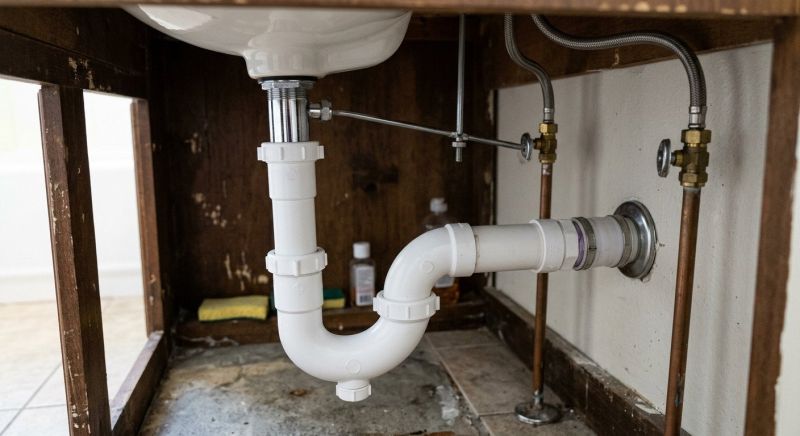
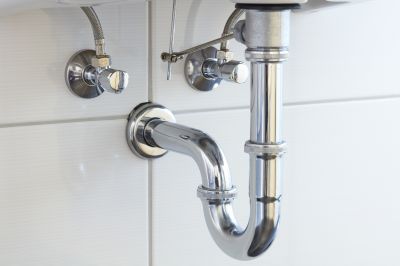
What types of drain lines can be replaced? Both underground sewer lines and interior drain pipes can be replaced depending on the issue.
What should property owners know about the process? Proper diagnosis is essential to determine if replacement is necessary and to ensure correct installation.
Request Drain Line Replacement in Denver, CO
Use the quote form on this page to share the basics of your project and request more information for the type of work you need.